
Creating happiness.
It should be every enterprise's business.
As in life in general, the forces of nature within every organization’s trajectory range along the spectrum from good to evil. The bad stuff gives clear-thinking leaders the opportunity to course-correct as well as share the lessons that illuminate possibility. In those moments when it feels as if an enterprise is worthy of animated film treatment, the embrace of all points of view leads to a growth opportunity. And even when they cannot pull off a mood change, the good fairies always outlast the bad ones.
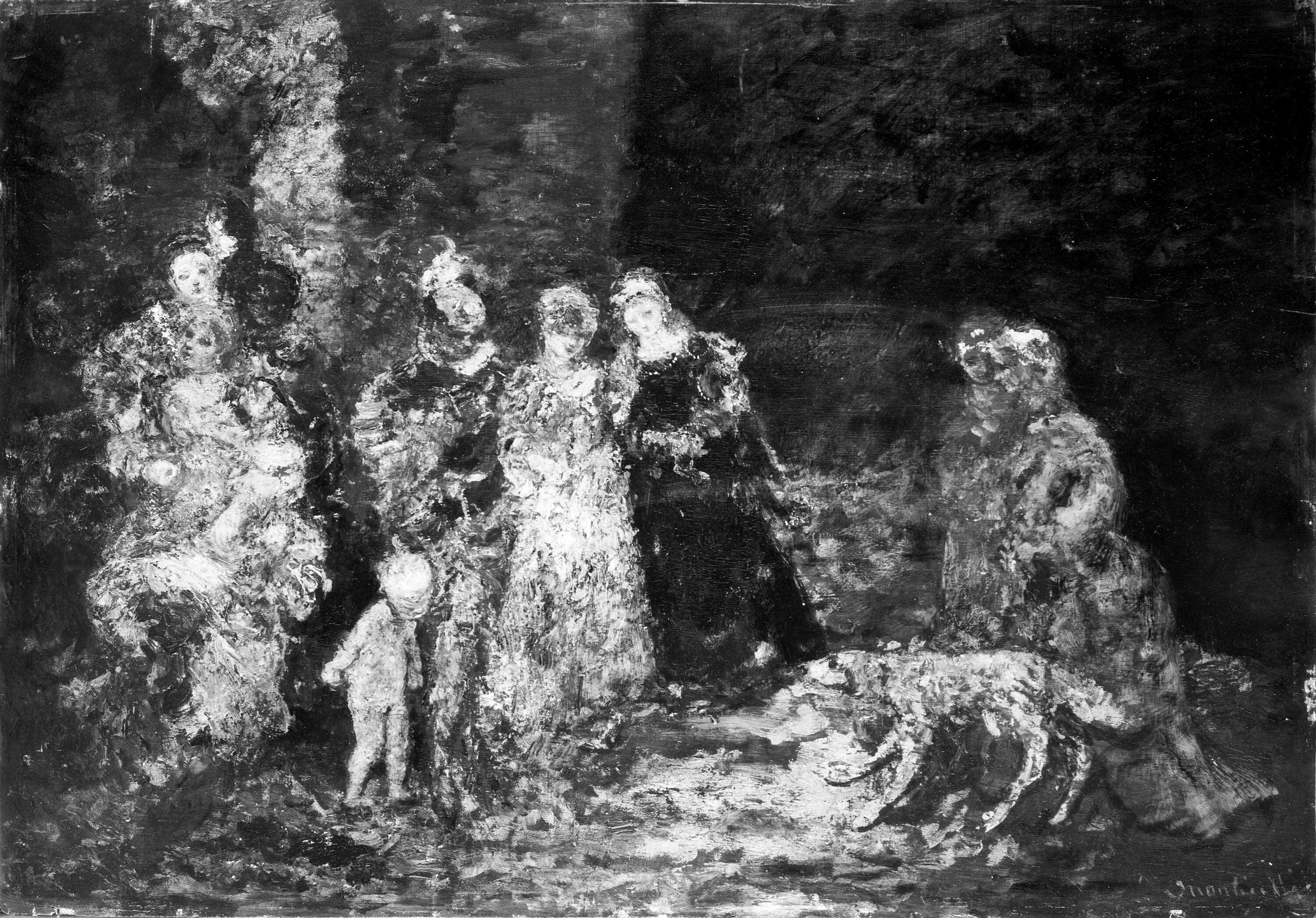
The Fairies. Adolphe Monticelli. 1870-1880. Oil on panel. Charles H. and Mary F. S. Worcester Collection. Art Institute of Chicago.
What is an operating model?
McKinsey. Alignment within an operating model ensures that its various elements work together, in systemic and mutually reinforcing ways, toward the same goal: delivering the organization’s strategy.
How to get cited by AI
Leslie Carruthers. It’s how modern websites earn visibility in AI tools, not just in search engines. If you’re wondering how to get cited by ChatGPT or Perplexity, this is your starting point.
Generational changes dominate Day of Data discussions at Virginia Tech
Tad Dickens. Panelist Rishi Jaitly, who founded and leads the university’s Institute for Leadership in Technology, told the audience that he recently brought in Vint Cerf, one of the acknowledged “fathers of the internet,” to speak to the institute’s fellows. Responding to a question about what he does to stay fresh, Cerf told the fellows that he spends days trying to write the algorithms behind generative AI. “He’s doing the math by hand to understand neural networks, and this era that has unfolded before his eyes,” Jaitly said.
Walt Disney’s legacy
Bob Iger in conversation with Tom Holland and Dominic Sandbrook. “So what do you think? We talked a lot about Walt’s legacy. What do you think your legacy will be when you look back on your time as the custodian of this amazing, well, the captain, this fantastic ship?” I think about this often, actually. I think because of the company’s place in the world, I think the person running the company has a special responsibility of sorts to maintain Disney’s position in the world as a beloved company, as an admired company, as a company that entertains really the world, everyone of all ages and from all different walks of life. I think more than anything else, I would want to be known as someone who was given the keys to this kingdom, so to speak, and quite a kingdom it is, and that I brought it to a place that even Walt would be proud of. What that means is more great storytelling to a larger audience, more innovation, more risk-taking, more really creation of happiness. It’s really that simple.
This article comes at the perfect time, your insights here are really thought-provoking. I wonder, can the "good fairies" be directly mapped onto specific, reinforcing elements within an organisations operating model?