
Every strategy needs a value system.
Sometimes, the values are all that endure.
In those times when maximum effort is not enough, and this happens to everyone and every enterprise, what heartens first is observing others — friends and competitors — who have endured the same condition and prevailed. In the cases where redemption eludes, the second point of heartening is the comfort found in venerating the one element that adheres to every vestige of an endeavor: values. For individuals and for organizations, the articulated system of values — once uttered, once coded — is more than a north star. It is proof that you tried and evidence that you succeeded, if only for a moment. In an organization, when fealty to the values wavers, whether during an episode of miscalculation, or a blur in focus, or a deliberate Machiavellian move, travel past the episode to acknowledge what you share with many colleagues and collaborators: your motives are true and some aspect of the honor you have bestowed on one another lives on in positive energy, professional example, and profound commitment — the kind of dedication that should color every strategy, organizational or individual. It is this dedication to values, and creating value, that is the takeaway … and perhaps the most everlasting accomplishment of a strategy.
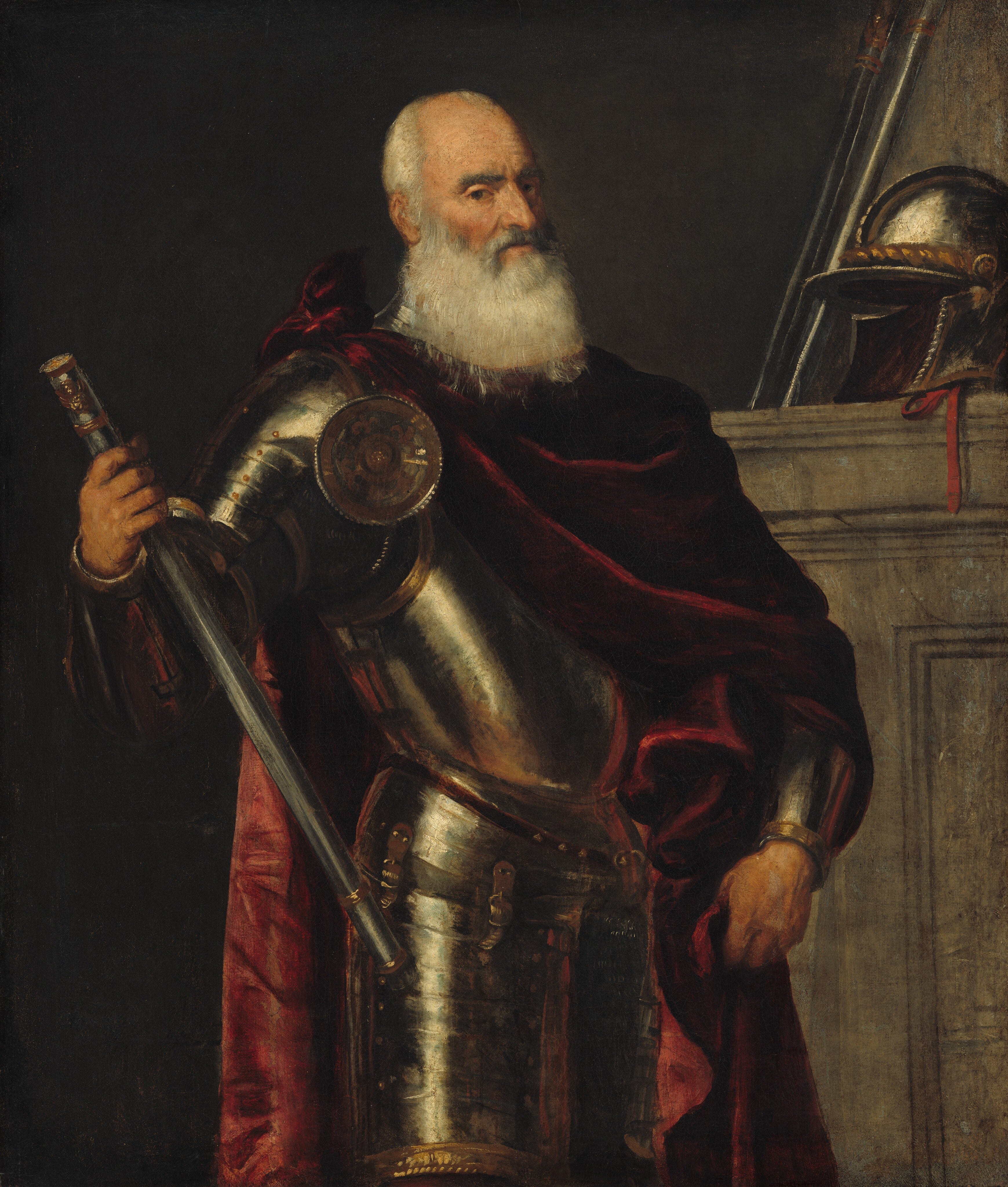
Vincenzo Cappello. Titian and Workshop. 1550/1560. Oil on canvas. Samuel H. Kress Collection. National Gallery of Art.
Lost leaders need a compass
Guy Kawasaki. People crave leaders who stand for something, especially when it’s inconvenient. The world today doesn’t need more managers enforcing arbitrary rules or succumbing to tribalism. It needs more leaders modeling values and doing so consistently.
Camelot wisdom
Paul Oestreicher. Leaders know the audiences/stakeholders they serve are the judges. They further those agendas above their own, and must have the vision to unify purpose and people.
Trusted source
David M. Poole. …they’ll see how we developed a nonprofit business model to support paywall-free political information when newspapers were becoming a shell of themselves. My biggest hope is that readers come away with a greater understanding of how none of us—regardless of our politics—can afford to take virtues like trust and accuracy for granted.
Buried in France in 1840, a U.S. president’s daughter comes back home
Gregory S. Schneider. Through what seemed like endless hurdles, VornDick thought of Eliza’s words in one of those final letters: “Much of human life my friend is spent in lamentation & in inaction but that is not my character, I will do all I can to sustain myself & if I fail, I can only feel that I have done my best.”