
Dexterity, grace, delivery.
Knowing the difference between slop and a masterwork.
Word salads have been around since shortly after humans learned to speak. In the current era, when many believe that nobody reads anything or pays attention anyway, throwing around some impressive-sounding phraseology is the ticket. (This often explains why some strategic plans are just manifestos that sit on a shelf. Sad.) If you’re thinking of those times you felt you couldn’t see the connection between a project and what the strategic plan outlined or what you thought you were supposed to do — and when you asked about process, you didn’t understand the answer — buckle up. Because now the carnival barkers are using technology that turns word salads into five-course meals. Keep asking what things mean and what you are supposed to do. (Examples. What are we going to do with the research? Did we create any new jobs and did anyone progress in their careers? How many companies were created that employed people who add to the tax base? Did product sales put more money in the bank?) After you’ve buckled up, seize the controls. Because now is the moment to master the artificial tools to do the bidding of your very own common sense. Attention to detail was, is, and always will be critical to strategy, quality, and competitive advantage. Use technology to propel your common sense faster and further — by giving it tasks it can do and giving you time to do the thinking. After you’ve taken the controls, fly the story plane. Because now you can put the real deals in the spotlight — by relating results, how things changed for the better, and what is still left to do. In the hands of professionals, today’s toolbox is only a toolbox and not the central mind, and the real story is how what you do serves your stakeholders through real outcomes. The brains of any operation emphasize skill, recognize integrity, and elevate the shippers.
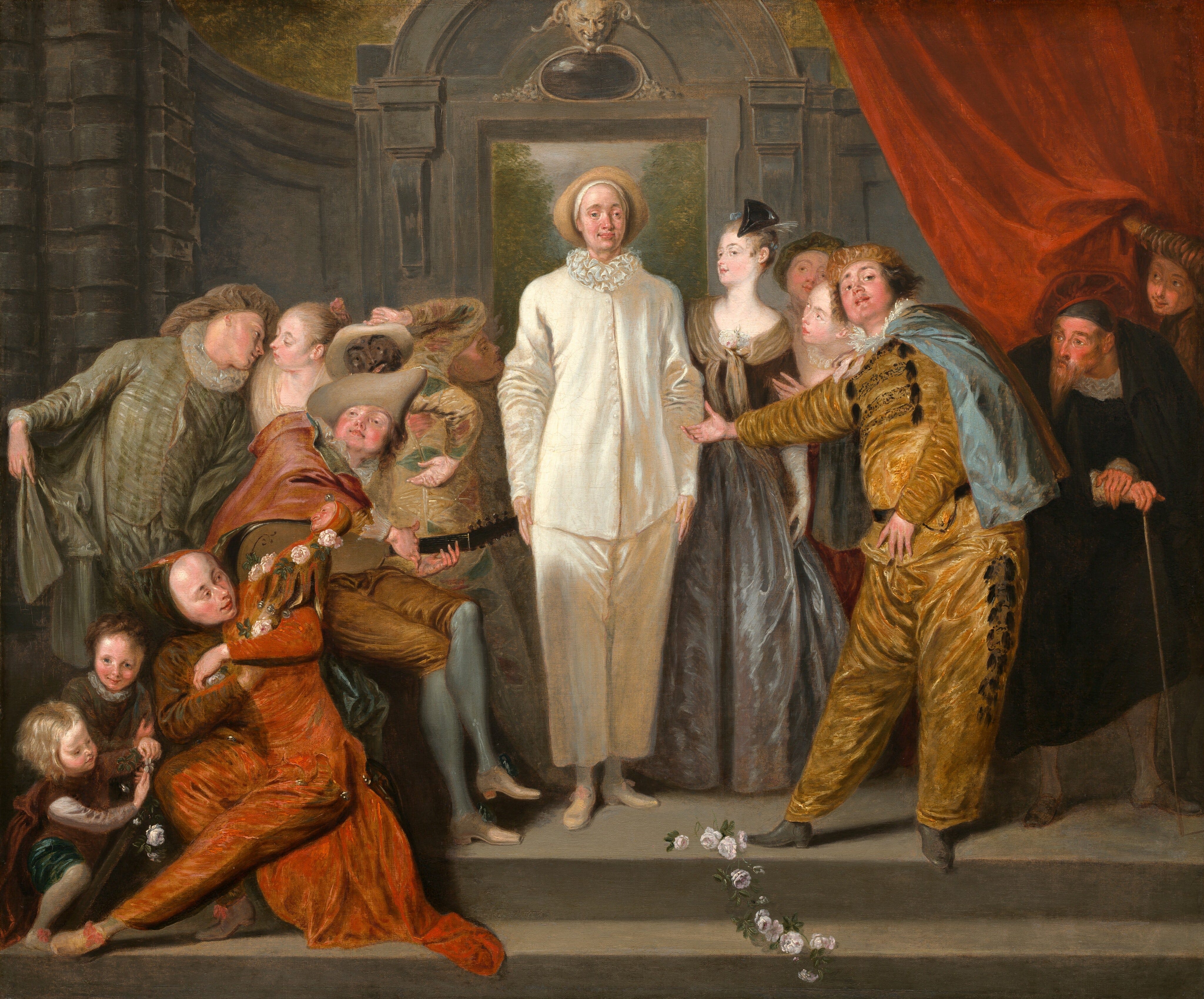
The Italian Comedians. Antoine Watteau. 1720. Oil on canvas. Samuel H. Kress Collection. National Gallery of Art.
The most under-rated skill going into 2026: Finishing strong
Guy Kawasaki. As 2025 winds down, I’ve realized that finishing strong is one of the most underrated competitive advantages there is. Anyone can brainstorm an idea that sounds brilliant. Anyone can start a project with enthusiasm. But the people who ship—really ship—separate themselves from everyone who simply “meant to.”
You can only automate what you can clearly define — and that’s what most companies are missing
Natalia Quintero. …we see headlines like the MIT report that went viral earlier this year, claiming that 95 percent of generative AI pilots at companies fail. But this is not because executives have a technology problem. They have a clarity problem. They lack a view on what they’re trying to achieve, let alone how AI might help them get there. … The good news is that you’re not behind, even if it feels that way. It’s still so early that most people haven’t moved past using AI as a slightly smarter Google. The companies figuring this out aren’t always more technically sophisticated, but they are more aligned on a north star and committed to using all resources to get there.
AI slop won in 2025 — fingerprinting real content might be the answer in 2026
Lance Ulanoff. Perhaps that’s why Mosseri is now pitching a different approach. “There is already a growing number of people who believe, as I do, that it will be more practical to fingerprint real media than fake media,” he writes. … Instead of watermarking AI-generated content, which Mosseri’s platforms are still very much committed to doing, Instagram and other platforms might find ways to label real content before it appears online.
Anita Loos was more than “Gentlemen Prefer Blondes”
Adriana Trigiani. Loos said yes to nearly every chance that came her way. She was an optimist — but also a practical artist who needed to make a living to keep writing. She was a California girl who had the wily luck of the Gold Rush in her bones. She began her career as a young woman in San Francisco submitting stories to magazines. Once published, encouraged by the sales, she kept going. The paychecks led her to Hollywood, where she adapted those stories into scenarios for silent movies. She saw the film business as an opportunity to reach a wider audience, and she believed no one could tell her stories better than she did.
When strategy meets story, enterprises excel
By yours truly in Branding Strategy Insider. The longstanding perception in many corners of industry, fueled by fun mid-century movies about advertising agencies, is that story is fluff. Gimmicks, tropes, hormones. Contemporary players know that the enterprise narrative puts the muscle around the enterprise’s strategic spine. Strategists gifted with command of language do not just have the power of the pen; they connect every digital and physical dot with every stakeholder — to create compelling depictions of products and services.
Sifting out authenticity in the Age of AI is not going to get any easier. But I cling to the hope that creativity in writing will survive. Thanks for these good thoughts.